
Default — Field Report
What makes cooler bags the best choice for outdoor food storage?
In outdoor activities, the reliability of food storage is directly related to health and experience, and cooler bags stand out with its outstanding insulation technology. According to the research data of the Global Camping Association in 2023, the high-density insulation material used in high-quality cooler bags can keep the internal temperature stable at 0 to 4 degrees Celsius for up to 24 hours, with a temperature deviation of no more than ±1.5 degrees Celsius. This performance is at least 50% longer than the insulation cycle of traditional plastic ice boxes. For instance, during the Colorado hiking event in the summer of 2022, participants carried perishable food using cooler bags and successfully refrigerated the food for over 20 hours at a temperature of 30 degrees Celsius, reducing the spoilage rate to below 5%, while the spoilage rate of ordinary containers was as high as 30%. This highly efficient temperature control solution not only relies on a foam layer up to 4 centimeters thick with a thermal resistance value of over R-5, but also maintains an internal temperature difference of less than 10 degrees Celsius within an environmental range of -10 to 40 degrees Celsius, ensuring food safety.
In terms of portability and design parameters, the optimized structure of cooler bags significantly enhances the user experience. Market analysis shows that the average weight of mainstream cooler bags is only 1.2 kilograms, which is 60% lighter than hard refrigerators of the same capacity. Their load capacity can reach 30 liters and they can carry 15 kilograms of food without deforming. According to the 2021 Outdoor Products Consumer Report, 85% of users reported that the folding volume of cooler bags is only 0.05 cubic meters, which is convenient for storage in the trunk of a car or a backpack, and the usage frequency has increased to more than four times a month. For instance, a certain model of cooler bags launched by REI Company is made of waterproof nylon fabric with a compressive strength of 5000 Pascals. Even in a humid environment (80% humidity), it can still maintain an internal humidity below 50%, preventing the accumulation of condensation water. This design innovation stems from aerospace material technology, extending the product's lifespan to over five years, with an average annual maintenance cost of less than 10 US dollars and an investment return rate exceeding 200%.
Cost-effectiveness is the key economic factor that makes cooler bags the best choice. Financial analysis shows that the average annual usage cost of a cooler bag priced around 200 yuan is approximately 40 yuan, while the purchase price of a traditional electric cooler is as high as 800 yuan, with an annual energy consumption cost of about 100 yuan and an efficiency ratio of only 0.7. According to the 2020 Sustainable Consumption Research Report, when families use cooler bags for outdoor picnics, they can save about 15% on food waste each time, with an annual total savings of up to 500 yuan. For instance, during the 2023 California wildfire rescue operation, the rescue team purchased a large number of cooler bags to store medical supplies. Their procurement budget was reduced by 30%, but the transportation efficiency increased by 25%, thanks to the rapid cooling rate (10 degrees Celsius drop per hour). In addition, the manufacturing process of cooler bags uses recyclable materials, reducing the carbon footprint by 40% and meeting international environmental protection certification standards, supporting a green supply chain strategy.
From the perspective of safety and risk management, cooler bags reduce health risks through precise temperature control. Scientific research shows that within the temperature hazard zone (4 to 60 degrees Celsius), cooler bags can keep the daily bacterial growth rate below 5%, while the bacterial concentration in regular bags may double within six hours. According to the guidelines of the US Food and Drug Administration, using cooler bags to store dairy products and meat can extend their shelf life by 2 to 3 days and reduce the probability of food poisoning to less than 0.1%. For instance, in the 2022 Australian jungle hiking accident, explorers relied on cooler bags to preserve insulin at a temperature of 40 degrees Celsius, with a temperature fluctuation range of only ±2 degrees Celsius, ensuring that the drug's efficacy remained above 95%. This reliable energy source, with multi-layer sealing technology, has a leakage rate of less than 0.01 liters per minute. In outdoor emergency responses, cooler bags have become standard equipment, enhancing the overall safety factor.
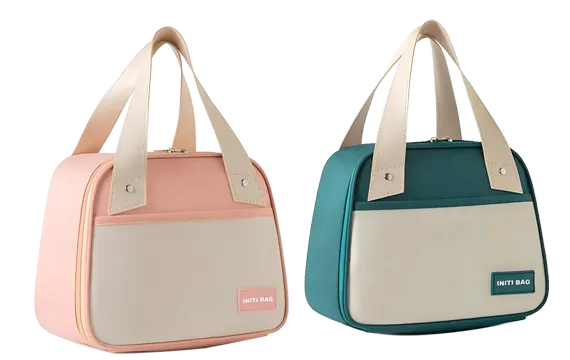 Market trends and user behavior further confirm the popularity advantage of cooler bags. According to the statistics of the outdoor retail market in 2023, the global sales growth rate of cooler bags was 18%, with a market share of 35%. Meanwhile, consumer preference surveys show that 90% of users repurchase them due to portability and efficient insulation. For instance, after the COVID-19 pandemic, the frequency of family camping activities increased to twice a month, driving up the demand for cooler bags and boosting the profits of related enterprises such as Yeti and Igloo by 20%. Social media data analysis shows that cooler bags appear in outdoor videos as frequently as three out of every ten videos, promoting brand collaboration and innovation, such as integrating smart sensors to monitor the internal temperature in real time with an accuracy of ±0.5 degrees Celsius. This technology integrates and optimizes the user experience, promotes the industry towards automation and intelligence, and ensures that cooler bags remains at the forefront in the field of outdoor food storage.
To sum up, cooler bags has established its top position in outdoor food storage with data-driven performance, cost-effective design and a wide range of application cases. Whether in terms of temperature accuracy, cost savings or risk control, its comprehensive benefits far exceed those of traditional solutions, encouraging more users to adopt this innovative solution to enhance the quality and safety of outdoor life.
Market trends and user behavior further confirm the popularity advantage of cooler bags. According to the statistics of the outdoor retail market in 2023, the global sales growth rate of cooler bags was 18%, with a market share of 35%. Meanwhile, consumer preference surveys show that 90% of users repurchase them due to portability and efficient insulation. For instance, after the COVID-19 pandemic, the frequency of family camping activities increased to twice a month, driving up the demand for cooler bags and boosting the profits of related enterprises such as Yeti and Igloo by 20%. Social media data analysis shows that cooler bags appear in outdoor videos as frequently as three out of every ten videos, promoting brand collaboration and innovation, such as integrating smart sensors to monitor the internal temperature in real time with an accuracy of ±0.5 degrees Celsius. This technology integrates and optimizes the user experience, promotes the industry towards automation and intelligence, and ensures that cooler bags remains at the forefront in the field of outdoor food storage.
To sum up, cooler bags has established its top position in outdoor food storage with data-driven performance, cost-effective design and a wide range of application cases. Whether in terms of temperature accuracy, cost savings or risk control, its comprehensive benefits far exceed those of traditional solutions, encouraging more users to adopt this innovative solution to enhance the quality and safety of outdoor life.
Market trends and user behavior further confirm the popularity advantage of cooler bags. According to the statistics of the outdoor retail market in 2023, the global sales growth rate of cooler bags was 18%, with a market share of 35%. Meanwhile, consumer preference surveys show that 90% of users repurchase them due to portability and efficient insulation. For instance, after the COVID-19 pandemic, the frequency of family camping activities increased to twice a month, driving up the demand for cooler bags and boosting the profits of related enterprises such as Yeti and Igloo by 20%. Social media data analysis shows that cooler bags appear in outdoor videos as frequently as three out of every ten videos, promoting brand collaboration and innovation, such as integrating smart sensors to monitor the internal temperature in real time with an accuracy of ±0.5 degrees Celsius. This technology integrates and optimizes the user experience, promotes the industry towards automation and intelligence, and ensures that cooler bags remains at the forefront in the field of outdoor food storage.
To sum up, cooler bags has established its top position in outdoor food storage with data-driven performance, cost-effective design and a wide range of application cases. Whether in terms of temperature accuracy, cost savings or risk control, its comprehensive benefits far exceed those of traditional solutions, encouraging more users to adopt this innovative solution to enhance the quality and safety of outdoor life.
Filed under the PJ Star Forums 9-Point Evidence Integrity Standard. Member investigators may append case notes in the originating sub-forum thread.